Bamboo Panels for Cabinets: Pros, Cons, and Design Ideas
發布日期|2026.03.05
Further Reading
Further Reading
Bamboo has steadily moved from niche material to a respected option in modern interiors, especially in kitchen and bathroom cabinetry. Its clean, linear grain and natural warmth appeal to homeowners who want something fresh yet timeless. As more designers turn to sustainable materials, bamboo panels have gained attention not only for their look but for their performance in daily use.
Below is a detailed, natural‑sounding exploration of bamboo cabinet panels—their strengths, limitations, and design possibilities—written to resemble a human‑crafted blog with a smooth, professional voice.
Bamboo often gets grouped with hardwoods, but it behaves differently. Technically a grass, it grows with remarkable speed, reaching maturity in a few years rather than decades. When processed into laminated panels, it achieves a hardness comparable to or higher than many traditional cabinet woods. This combination of sustainability, strength, and visual clarity is one of the main reasons homeowners consider it.
Still, bamboo isn’t perfect for every project. Understanding how it performs in real homes helps set accurate expectations before investing in new cabinetry.
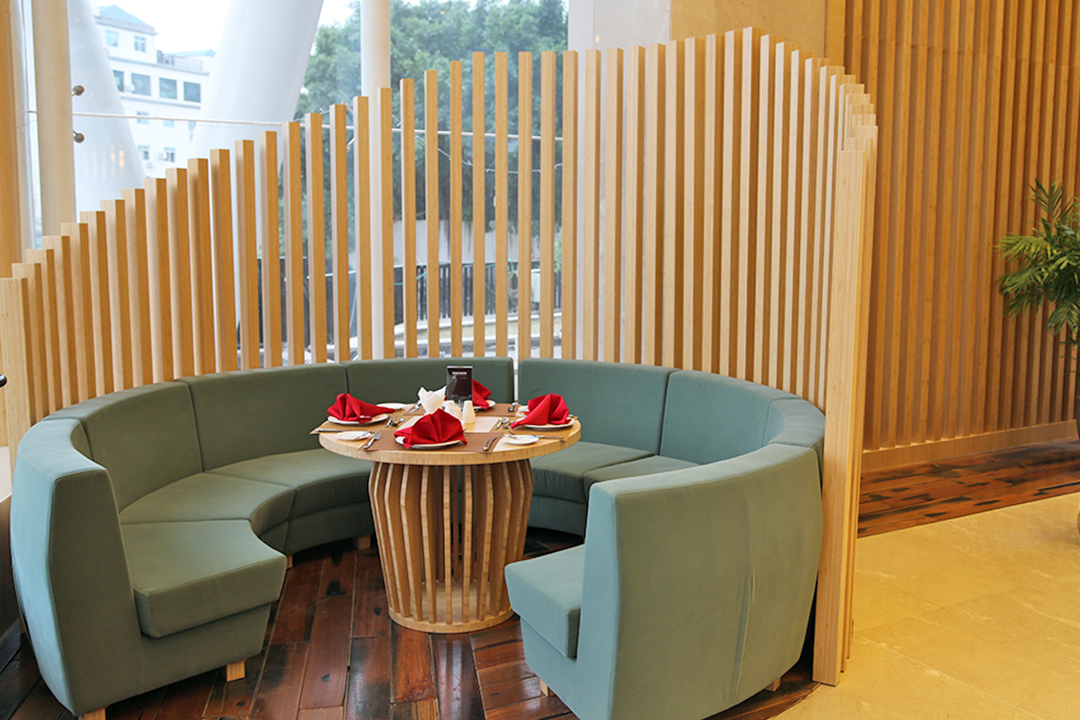
Bamboo’s distinctive linear grain gives cabinets a sleek look that pairs beautifully with minimalist interiors, Scandinavian themes, and contemporary kitchens. Vertical‑grain panels emphasize height, while horizontal grain creates a calm, layered effect. The overall vibe remains warm without feeling rustic, which makes bamboo a rare middle ground between traditional wood and modern materials like laminate or stainless steel.
Quality bamboo panels are surprisingly tough. During manufacturing, the stalks are sliced, pressed, and fused under high pressure. This process produces dense boards that resist dents and scratches better than some hardwoods. For busy kitchens where doors are opened repeatedly, this level of resilience can be a significant advantage.
Many homeowners turn to bamboo because it grows quickly and regenerates without requiring replanting. Compared to slow‑growing hardwood forests, bamboo plantations typically have a smaller environmental footprint. For those prioritizing sustainable materials, bamboo offers a credible option without sacrificing beauty or performance.
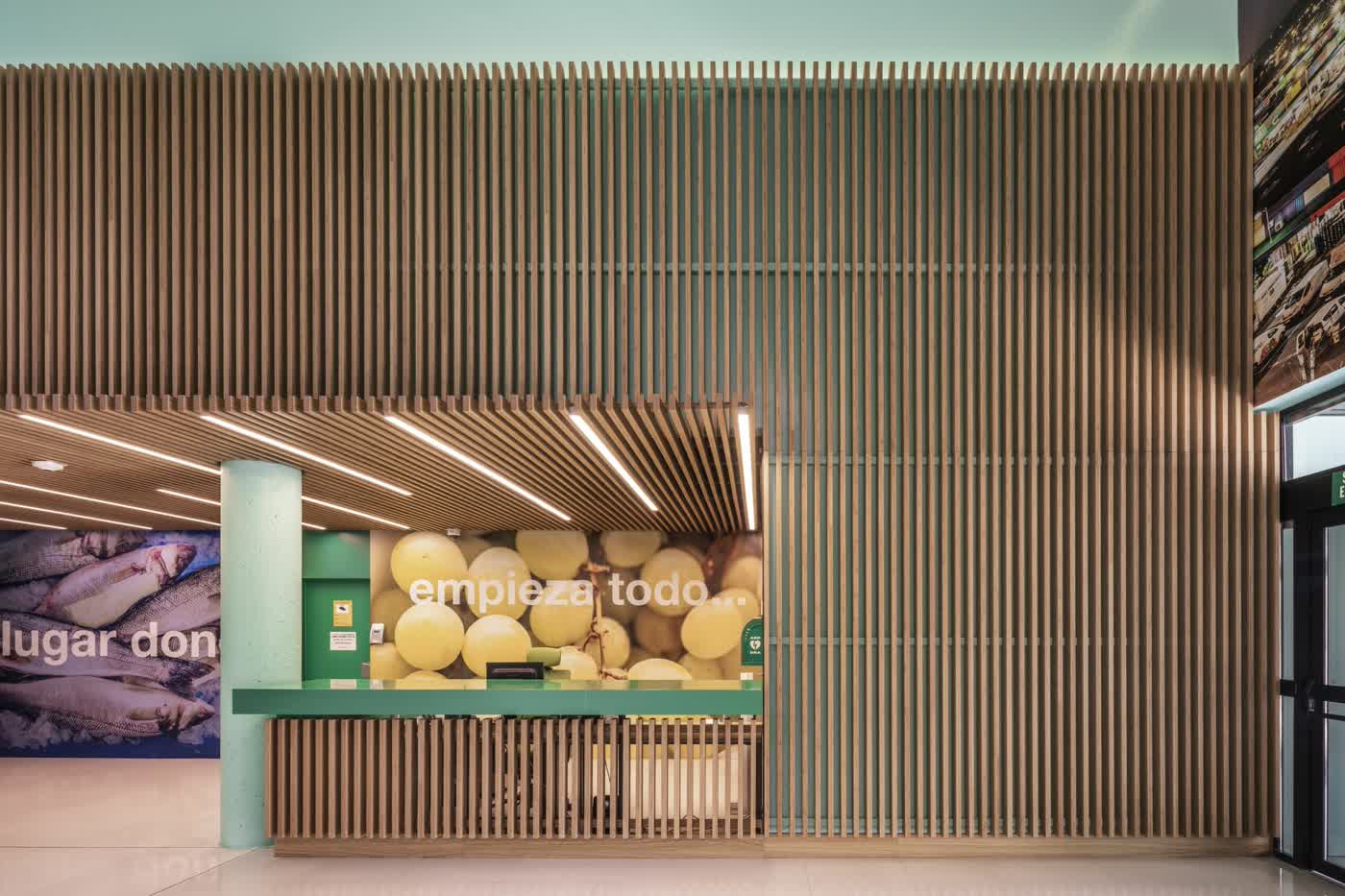
Unlike natural woods that vary widely in grain and color, bamboo panels have a uniform look. This consistency makes large runs of cabinetry, wall panels, or tall pantry doors visually seamless. It also reduces the guesswork when ordering panels from different batches.
Carbonized bamboo adds warm amber tones. Natural bamboo stays pale and contemporary. Strand‑woven bamboo has a dense, textured look. Classic laminated bamboo displays the familiar narrow slats. This variety allows designers to tailor the appearance to the mood of the room without leaving the bamboo family altogether.
Although bamboo panels are strong, they can be sensitive to prolonged exposure to high humidity. Excess moisture may cause swelling or minor warping, especially when the panels are not well‑sealed or maintained. In kitchens or bathrooms with steam and fluctuating temperatures, proper finishing and ventilation matter.
Not all bamboo is created equal. Lower‑quality panels may contain more glues and fillers, affecting strength and longevity. Some manufacturers use adhesives with higher VOC emissions, which can affect indoor air quality. When choosing bamboo panels, sourcing from reputable suppliers is essential.
Because bamboo is dense and has a tight structure, stain absorption may not be as predictable as with porous woods like oak or ash. Prefinished bamboo panels usually deliver better color consistency than field‑applied stains.
Deep scratches or dents may require professional refinishing. While surface marks can often be addressed with light sanding, darker carbonized varieties may show sanding spots more noticeably.
Bamboo panels offer a surprising range of design possibilities. Whether used as the primary material or as an accent, they can shift the feel of a space dramatically.
Vertical‑grain bamboo has a calming rhythm that complements tall cabinet banks. When paired with understated hardware or hidden pulls, it creates a smooth, uninterrupted surface ideal for modern kitchens. Pale natural bamboo looks especially bright when combined with matte white countertops or soft gray walls.
Horizontal orientation highlights bamboo’s banded pattern, creating a natural focal point for kitchen islands. It pairs beautifully with stone countertops—quartz, soapstone, or even darker granite—to anchor the space visually.
Because bamboo feels both organic and contemporary, it works well in spa‑inspired bathrooms. A floating bamboo vanity with integrated lighting emphasizes the warmth of the material while keeping the room airy. A satin or matte finish enhances the grain without making it look overly glossy.
Bamboo blends nicely with painted doors, glass inserts, and even metal framing. Using bamboo for upper cabinets and a contrasting material for lowers can create a layered and interesting visual composition. The consistency of the grain prevents the mix from feeling chaotic.
Tall pantry cabinets benefit from bamboo’s uniformity. Whether you prefer handle‑less push‑to‑open hardware or long metal pulls, bamboo offers a clean backdrop that doesn’t overwhelm large surfaces.
If full‑cabinet coverage feels too bold, bamboo still works beautifully in smaller doses. Lining the backs of open shelves or niches with bamboo panels adds subtle texture and warmth. This approach works well for built‑ins in living rooms or home offices, too.
Strand‑woven bamboo has a more dramatic pattern with crisscrossed fibers, offering a deeper, richer appearance. It suits homeowners who want a striking yet natural look. In open‑concept spaces, it can anchor the kitchen without relying on heavy traditional woods.
A few practical considerations can help ensure long‑term satisfaction.
• Choose low‑VOC adhesives and finishes whenever possible
• Look for a consistent tone across all panels before installation
• Seal all exposed edges to protect against humidity
• Avoid placing bamboo panels too close to appliances that release high heat
• Maintain a regular cleaning routine using mild, non‑abrasive products
These steps help bamboo panels perform well for years while preserving their appearance.
Bamboo’s performance sits somewhere between hardwood and engineered panels. It offers greater eco‑efficiency than most hardwoods, more warmth than laminate, and a more distinctive aesthetic than many veneers. Unlike MDF or particleboard, properly manufactured bamboo panels resist dents and hold up well to everyday wear. While it may not replace every traditional wood, it stands as a strong contender for those wanting a blend of sustainability, durability, and visual clarity.
Bamboo plywood panels bring a fresh look to cabinetry, combining natural beauty with modern simplicity. Their durability and eco‑friendly reputation make them appealing for kitchens, bathrooms, and built‑ins. While they come with considerations like moisture sensitivity and variable manufacturing quality, careful selection and proper finishing allow bamboo cabinetry to hold up well in daily use.
With a range of grain patterns, colors, and design applications, bamboo panels offer homeowners and designers a versatile material that can easily become the highlight of a space. Whether used across an entire kitchen or incorporated selectively, bamboo has a distinctive character that feels warm, refined, and thoughtfully chosen.